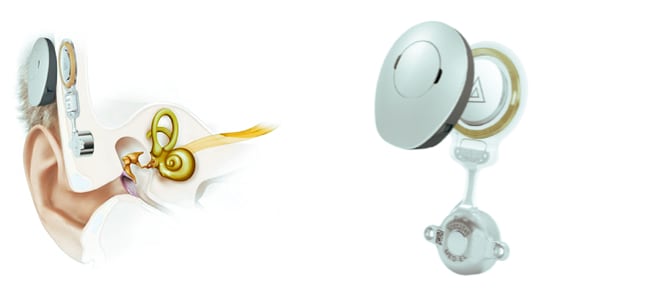
A bone conduction implant is a surgically implanted device designed to help people with particular forms of hearing loss who cannot be helped with conventional hearing aids. The majority of the conventional hearing aids transmit sound through the medium of air conduction. The bone conduction implant stimulates the cochlea by transmitting the sound waves through the bones in our skull, thereby bypassing the outer and middle ear. Once the cochlea receives the sound signals, the information is converted in to neural signals and transferred to the brain, where it is perceived as sound, thereby bypassing the outer and middle ear. There are now many different kinds of bone conduction implants on the market which are reviewed below. Each one has its advantages and disadvantages.
Patients with chronic middle ear conditions, outer ear problems or congenital defects of the ear who can’t wear hearing aids, or can’t consistently wear hearing aids without getting infections may be candidates for a bone conduction implant as long as one ear has a cochlea that can hear at a moderate hearing level or better.
A second category of candidates are patients with “single sided deafness”. This includes patients who have lost all or most hearing in one ear to the extent that the ear is “un-aidable” with a conventional hearing aid. This means that they do not have adequate clarity to benefit from a hearing aid. Their other ear must have good, or near-normal hearing.
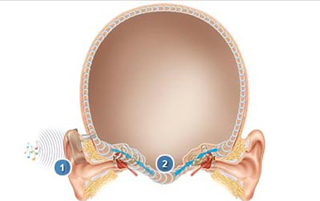 |
Direct Bone Conduction1. Sound waves are received by Baha sound processor |
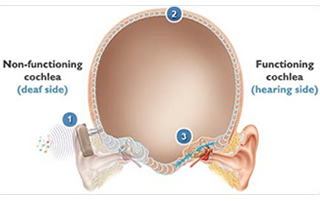 |
Bone Conduction implants Single Sided DeafnessFor people with Single Sided Deafness (SSD), the Baha system allows sound to be heard from the deaf side, provided that hearing is normal in the opposite ear. This is possible because the sound waves are transmitted through the skull bone to the functioning cochlea on the opposite side. 1. Sound waves are received by the Baha sound processor2. Sound waves travel by bone conduction to the functioning cochlea on the opposite side 3. Sound is received by functioning cochlea |
Although all bone conduction devices are anchored in one way or another to the skull bone, the term “bone anchored hearing aid” is usually used for those that work via anchoring a single screw, called a fixture into the skull behind the ear. The external hearing aid can be held on with an abutment, which pierces through the skin, thereby called a “percutaneous” device or with a magnet system across the skin, thereby called a transcutaneous device. After these procedures, the skin heals quickly, but the external processor is not worn for 1-2 months, giving time for the bone to osseointegrate into the titanium screw. After this healing time, the patient returns for their device activation with their audiologist. The processor is then programmed to the patient’s audiogram. The patient is counseled on how to attach, remove and care for the sound processor and use its functions.
Percutaneous devices are available from Cochlear and Oticon companies. They are similar devices. Cochlear’s device is called “Baha” and Oticon’s device is called “Ponto” to distinguish them. Their advantages are their simplicity and low surgical time. The disadvantages of percutaneous devices include the presence of the percutaneous abutment which some patients reject cosmetically, infection and healing problems which can lead to removal in 5% of patients. These devices are FDA approved for adults and children over the age of 5.
The implantation of the Baha is a simple procedure done in the operating room which takes approximately 45 minutes. A small incision is made in the skin, a hole is drilled into the skull and the fixture and abutment are screwed in to the hole. The incision is closed and a dressing applied.
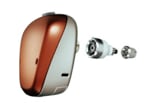
This can be implanted via an incision or via a minimally invasive procedure, or MIPS through a hole punch made through the skin through which the abutment will pass. As there are no other incisions, the healing time is fast. This procedure is done in the operating room and takes approximately 20 minutes
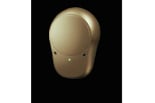
The Baha Attract device requires, a longer scalp incision. A fixture is inserted into the skull in the same way as in the Connect surgery, but a magnet is screwed on to the conical connection of the fixture instead of an abutment. The skin is brought over the magnet and sutured and a dressing is applied. This procedure takes approximately 60-90 minutes. Possible complications include skin problems and discomfort from wearing the processor as the magnet pressure has to be high for optimal hearing with this device.
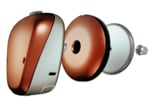
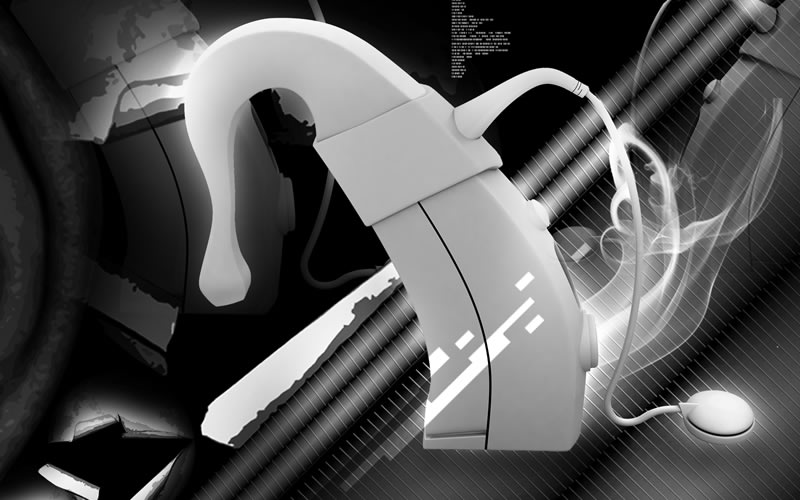
Baha Sound Processors are available in three strengths to accommodate a wide range of hearing loss. Baha 5 Sound processor, Baha 5 Power Sound Processor and Baha 5 Superpower are the three sound processors available in the Cochlear Product line.
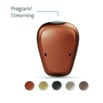
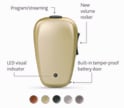
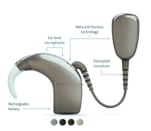
The Osia system is an osseointegrated piezoelectric implant with a digital link to the sound processor. It consists of the internal OSI 2000 implant and the Osia 2 external processor. Studies have shown it can generate 12 dB more hearing than the Connect Baha device. The OSI 2000’s Piezo Power transducer is made of piezoelectric layers that expand and contract to send vibrations through to the cochlea. The Piezo Power transducer results in high gain at high frequencies, which are important for understanding speech. The OSI200’s unique Piezo Power™ transducer has a digital link that transfers 100% of the signal with minimal risk of interference and therefore minimal feedback. It is also MRI compatible to 3T.
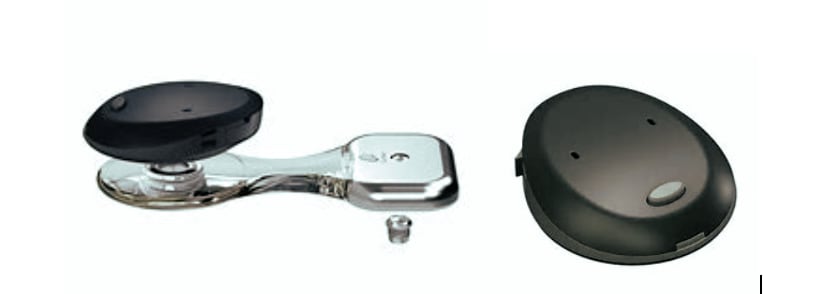
The Osia is FDA approved for adults and children 12 years and older. OSI200 surgery takes approximately 90 minutes. A skin incision is required. A Baha fixture is first implanted, to which the OSI 2000 is attached.
The external Osia 2 processor may be worn 1 month after the surgery. It is an all in one magnet retained unit, which is comfortable to wear and is water resistant down to 3 meters. There are no small pieces to manage for patients with limited dexterity. The Osia 2 processor features the made for iPhone technology, allowing patients to stream directly from the compatible apple devices.
The Bonebridge is the first active bone conduction device. It does not require skin pressure to hear, thereby making the external processor very comfortable to wear. It can produce significantly more gain than percutaneous devices. The Bonebridge System consists of two parts. The internal implant and the externally worn SAMBA Audio Processor. This device is FDA approved for adults and children 12 years and older. The implant can undergo MRI scans of up to 1.5 Tesla.
The Bonebridge is implanted in the operating room and surgery takes approximately 60 minutes. A skin incision is performed. A hole is drilled to recess the active floating mass transducer and it is held to the skull with 2 screws.
Patients may begin wearing the processor after a short 2 week healing time. Due to the lack of pressure across the skin, the processor is lightweight and comfortable, leading to greater wear time. There are water-wear options for the Samba processor.